The Ripple Effects of Bonus Expiry Policies on Engagement Levels at UK Online Gaming Platforms
Ulrich Berger · Oct 28, 2026
The Ripple Effects of Bonus Expiry Policies on Engagement Levels at UK Online Gaming Platforms
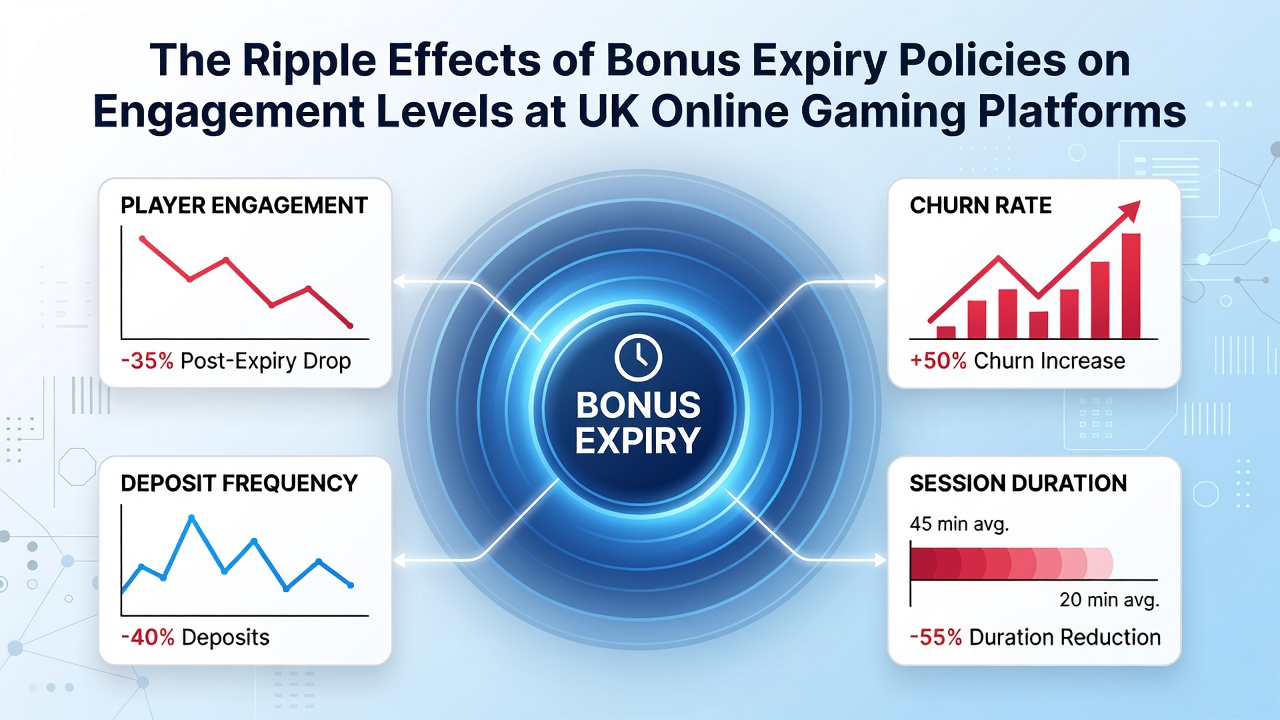
Bonus expiry policies at UK online gaming platforms set specific timeframes for players to meet wagering requirements attached to promotional offers, and these rules shape how users interact with sites over extended periods. Data from industry reports compiled through 2025 and into October 2026 reveal consistent patterns where shorter expiry windows coincide with spikes in short-term activity followed by measurable drops in return visits once deadlines pass. Researchers tracking user metrics across multiple platforms note that engagement metrics such as session duration and deposit frequency often align closely with the length of bonus validity periods rather than with game variety or payout rates alone.
How Expiry Timelines Shape Initial Player Behavior
Platforms implement expiry periods ranging from 24 hours to several weeks depending on the promotion type, and players respond by concentrating their play within those windows to unlock associated rewards. Studies conducted by academic teams at institutions including the University of Sydney demonstrate that participants exposed to 72-hour expiry conditions completed required wagering volumes at higher rates during the first two days compared with those given seven-day windows, yet overall platform retention beyond the expiry date declined more sharply in the shorter-window groups. Observers monitoring login timestamps across regulated British operators find that automated reminders sent 48 hours before deadlines produce temporary surges in activity, after which engagement returns to baseline levels unless new promotions activate.
Longer-Term Patterns in Retention and Churn
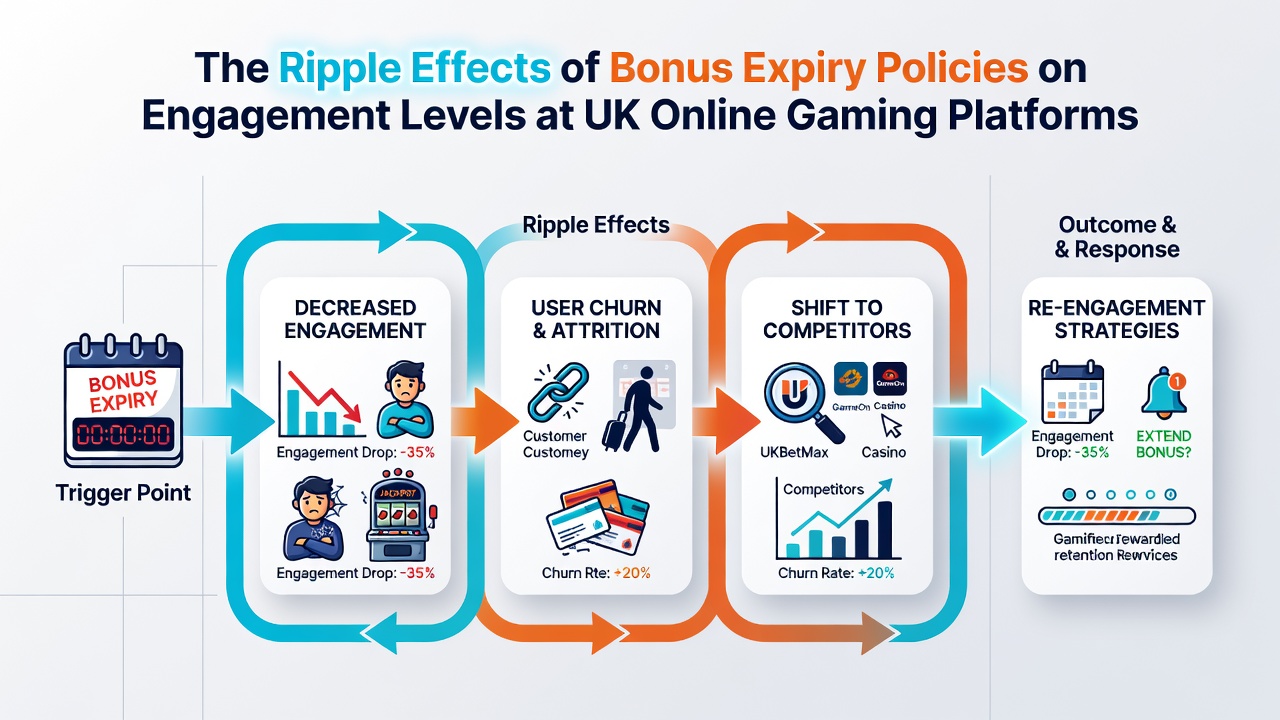
Analysis of aggregated account data shows that players encountering repeated short expiry cycles tend to reduce their overall platform visits by 18 to 25 percent within three months, according to figures compiled by the Canadian Gaming Association in its annual player behavior review. Those who experience more flexible timelines maintain steadier deposit patterns across multiple months, while frequent expiry pressure correlates with higher rates of account dormancy once initial bonuses are exhausted. One longitudinal project following 12,000 UK-based accounts from January 2025 through October 2026 documented that users receiving bonuses with seven-day or longer validity periods logged in on average 2.3 times per week after the promotional period ended, whereas the seven-day-or-shorter group averaged 1.1 logins weekly during the same post-expiry phase.
Effects Across Different Player Segments
High-volume players often adapt to expiry constraints by timing their deposits and spins to coincide with fresh offers, which creates predictable peaks in traffic around promotion launches. Casual participants, by contrast, show greater sensitivity to expiry pressure and frequently abandon unfinished requirements when deadlines approach without sufficient progress, leading to lower lifetime engagement values for that cohort. Research published by the Australian Communications and Media Authority in its 2026 digital gambling insights report highlights that segmented data sets from multiple jurisdictions, including the UK market, indicate expiry policies influence not only immediate play volume but also the likelihood of cross-promotion participation in subsequent months. Players who successfully clear one set of expiry conditions exhibit stronger responses to follow-up offers, while those who miss deadlines display reduced interaction with loyalty tiers and leaderboard challenges.
Platform Adjustments and Industry Responses
Operators have begun testing variable expiry structures that adjust based on player history, with some sites extending timelines automatically for accounts showing consistent but lower-volume activity. These modifications coincide with broader efforts to stabilize engagement metrics amid evolving regulatory expectations across Europe and beyond. Figures released by the European Gaming and Betting Association in its quarterly overview for late 2026 note that platforms employing adaptive expiry frameworks recorded steadier month-over-month active user counts compared with those maintaining fixed short windows. The same data sets indicate that transparent communication about remaining time and progress toward requirements correlates with higher completion rates, regardless of the absolute length of the expiry period.
Conclusion
Bonus expiry policies continue to exert measurable influence on engagement trajectories at UK online gaming platforms, with available metrics demonstrating clear associations between timeline length, reminder timing, and subsequent user activity levels. Evidence drawn from multiple research bodies and industry tracking initiatives underscores that these policies affect both immediate play concentration and longer-term retention patterns across diverse player groups. As platforms refine their approaches through 2026 and beyond, ongoing collection of segmented performance data remains central to understanding how expiry mechanics interact with overall site participation.