Examining Volatility Thresholds That Trigger Multiplier Adjustments in Tiered Loyalty Programs Across Regulated British Venues
Ulrich Lange · Oct 14, 2026
Examining Volatility Thresholds That Trigger Multiplier Adjustments in Tiered Loyalty Programs Across Regulated British Venues
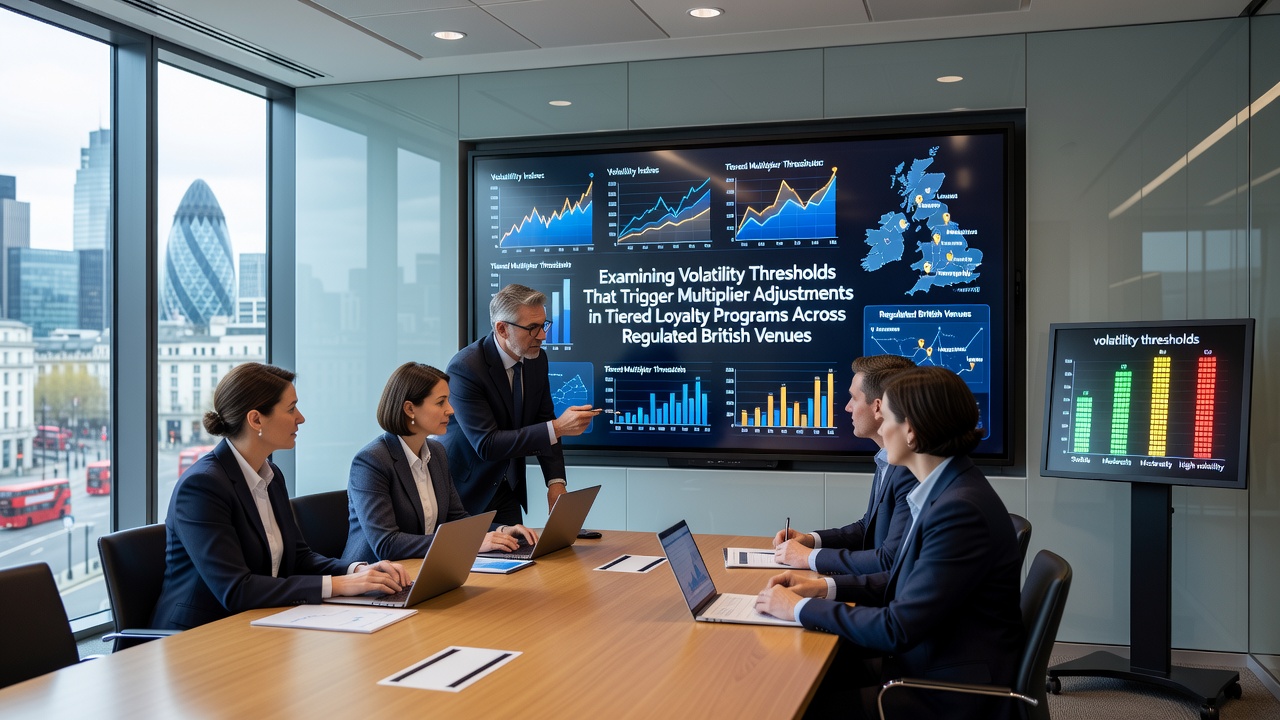
Regulated British venues operate tiered loyalty programs where volatility thresholds determine when multiplier adjustments activate for player rewards, and operators track these metrics through centralized systems that monitor game performance across multiple sites. Volatility in this context refers to the frequency and size of payouts in slot machines and table games, with high-volatility titles producing larger but less frequent wins while low-volatility options deliver smaller payouts more consistently. Data from industry reports shows that when volatility readings exceed predefined levels, loyalty multipliers shift to balance reward distribution and maintain program sustainability.
Understanding Volatility Metrics in British Casino Operations
Operators at regulated venues calculate volatility using standardized formulas that factor in payout frequency, average win size, and session length data collected over rolling periods. When these calculations reach specific thresholds, such as a volatility index above 7.5 on a 10-point scale, the system automatically applies multiplier changes that range from 1.2x to 3.5x depending on the loyalty tier involved. Research indicates that these adjustments occur most frequently during peak evening hours when player volume increases and game selection patterns shift toward higher-volatility titles.
Venues maintain separate volatility tracking for each game category, with electronic roulette and video poker falling under different threshold parameters than traditional slot machines. One study from the University of Nevada Las Vegas Gaming Innovation Lab revealed that British venues adjust multipliers 12 to 18 times per month on average when volatility thresholds are crossed, and these changes affect how loyalty points accumulate for players in silver, gold, and platinum tiers.
Threshold Triggers and Multiplier Mechanics
Multiplier adjustments activate through automated protocols that monitor real-time volatility data against historical baselines established for each venue. When a cluster of high-volatility games surpasses the trigger point for more than 45 consecutive minutes, the loyalty program applies an upward multiplier to compensate for the reduced win frequency that players experience during those sessions. Conversely, extended periods of low-volatility play below the lower threshold can prompt downward multiplier adjustments that prevent point inflation across the player base.
Figures from the Canadian Gaming Association's annual industry analysis show that similar volatility-based systems in other jurisdictions produce measurable changes in player retention rates, with British venues adopting comparable frameworks since early 2025. The October 2026 reporting period introduced updated volatility calculation standards that incorporated machine learning models to predict threshold crossings up to two hours in advance, allowing operators to prepare multiplier schedules with greater precision.
Implementation Across Multiple Venue Types
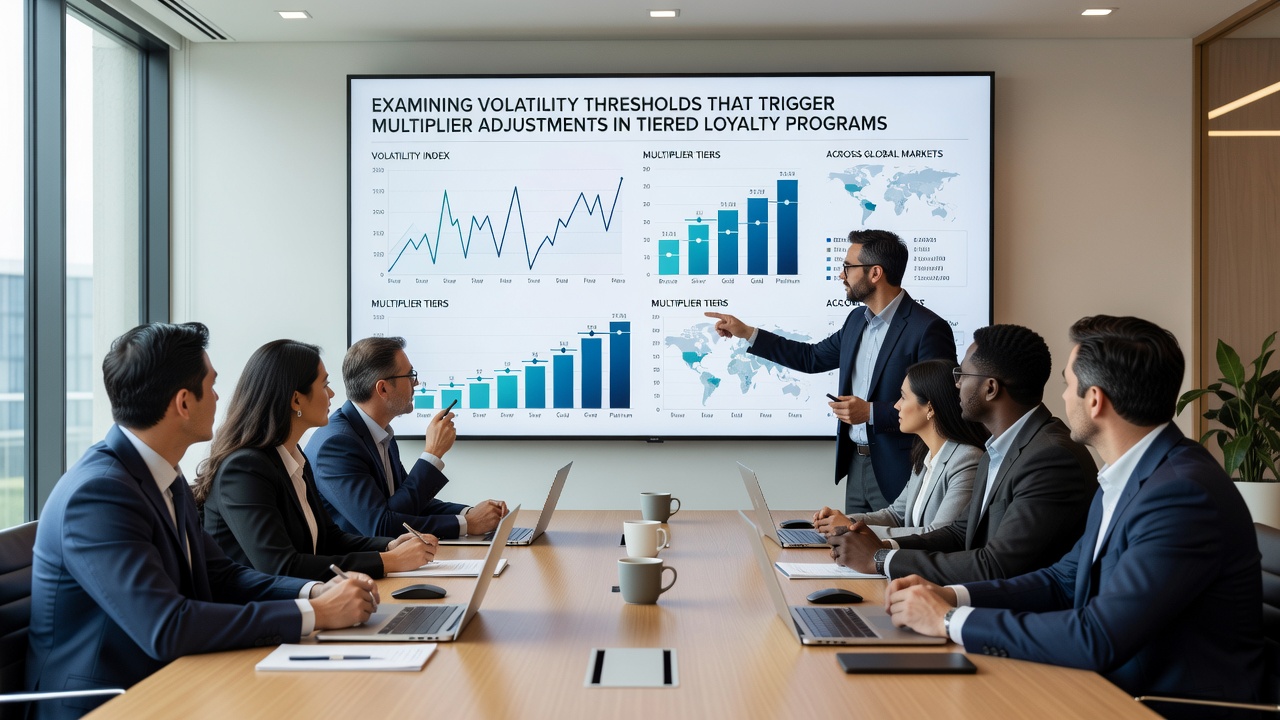
Large integrated resorts and smaller high-street gaming centers apply these volatility thresholds differently based on their player demographics and game mix. Resorts with higher concentrations of international visitors tend to set elevated thresholds because their clientele gravitates toward high-volatility games, whereas local venues adjust multipliers at lower volatility points to accommodate more consistent play patterns. Observers note that these variations create distinct loyalty experiences across the British market while still operating under the same overarching regulatory framework.
Multi-site operators coordinate threshold settings through central databases that aggregate volatility data from all locations, ensuring consistent multiplier application regardless of which venue a player visits. This coordination became more sophisticated after October 2026 when new software platforms enabled cross-venue synchronization of loyalty adjustments within 90 seconds of a threshold breach.
Data Patterns and Adjustment Frequency
Longitudinal data collected from regulated British venues indicates that volatility thresholds are crossed most often during seasonal events and promotional periods when marketing campaigns drive increased play on specific game types. The Australian Gambling Research Centre documented comparable patterns in other markets, where loyalty programs that incorporate volatility triggers show 8 to 14 percent higher point redemption rates compared to static multiplier systems. British operators have integrated these findings into their own program designs, resulting in more responsive reward structures that reflect actual game conditions.
Each tier within these programs maintains separate volatility sensitivity levels, with entry-level tiers triggering adjustments at lower thresholds to protect newer players from extended losing streaks. Higher tiers operate with wider volatility bands that require more extreme readings before multipliers activate, reflecting the different risk tolerances and play volumes associated with those player segments.
Conclusion
Volatility thresholds continue to shape how tiered loyalty programs function across regulated British venues, with multiplier adjustments responding directly to measurable game performance data. The systems in place since the October 2026 updates provide operators with tools to maintain balanced reward distribution while adapting to changing player behaviors and game popularity trends. As venues refine these mechanisms through ongoing data analysis, the connection between volatility metrics and loyalty outcomes remains a central element of program management in the British gaming sector.